


Glaucoma Awareness Campaign

Don't Let It
Steal Your Sight.

Glaucoma is the silent thief of sight. Half of those affected don't even know they have it. Early detection can save your vision — for life.

80M+People affected globally
50%Don't know they have it
#2Cause of blindness worldwide
100%Manageable if caught early
Know Your Enemy

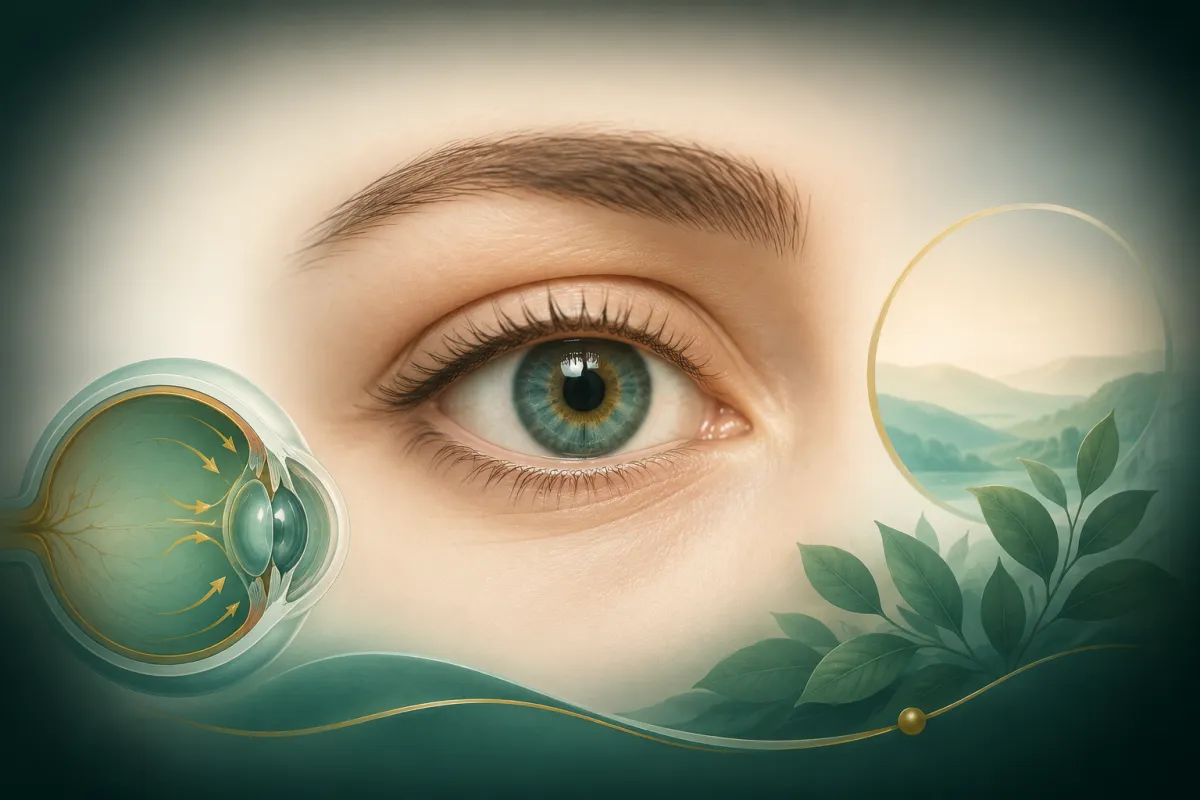
What is Glaucoma?

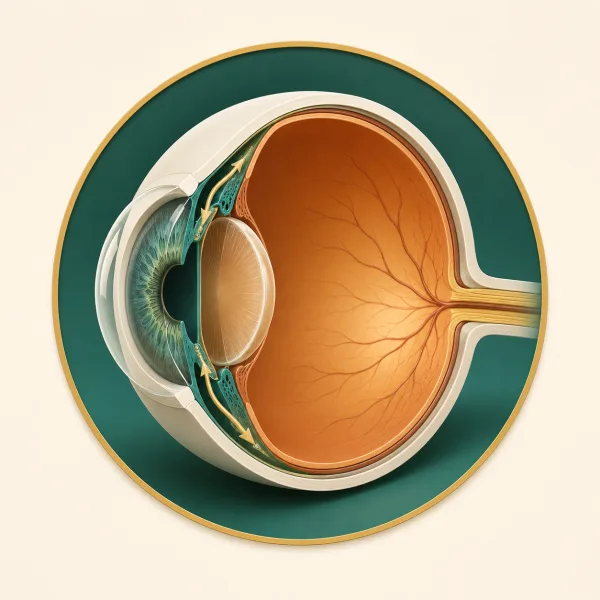
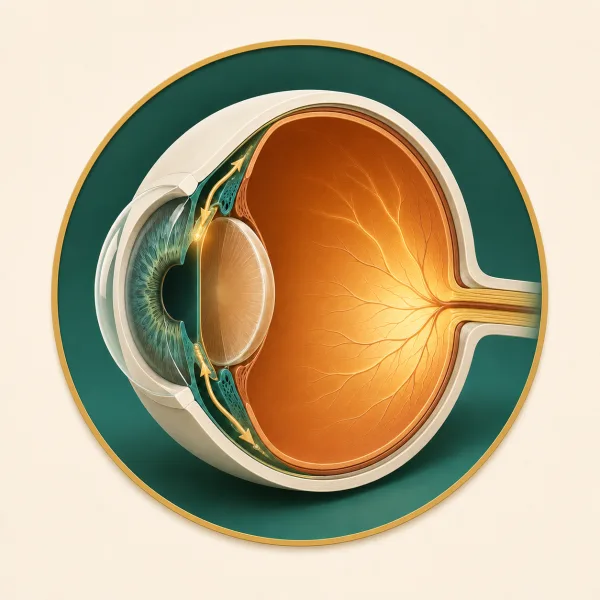
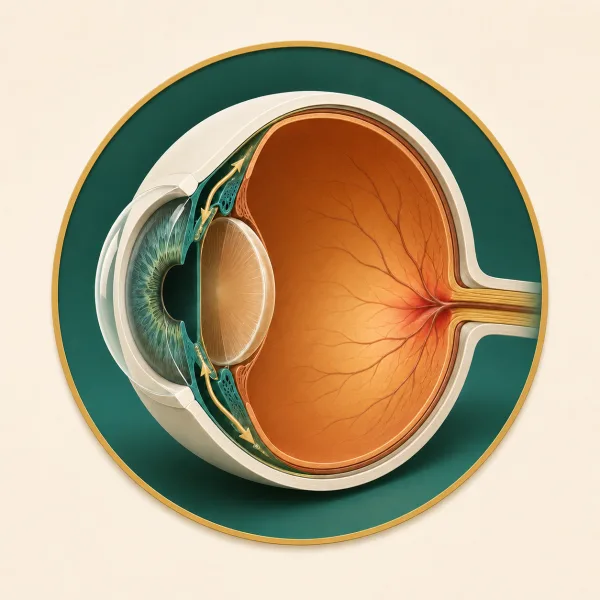
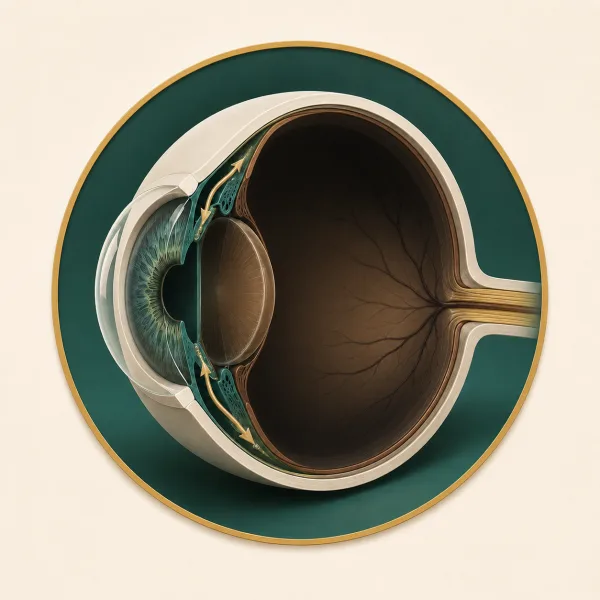
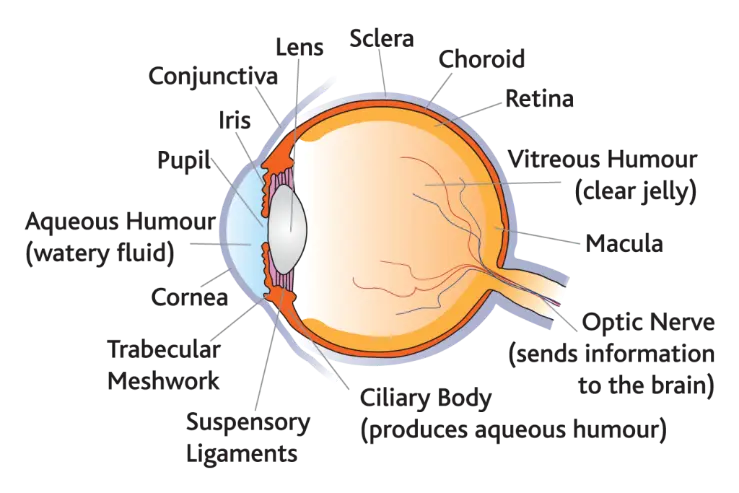
Glaucoma is a group of eye diseases that damages your eye's

The optic nerve under pressure

What are the common causes of Glaucoma?

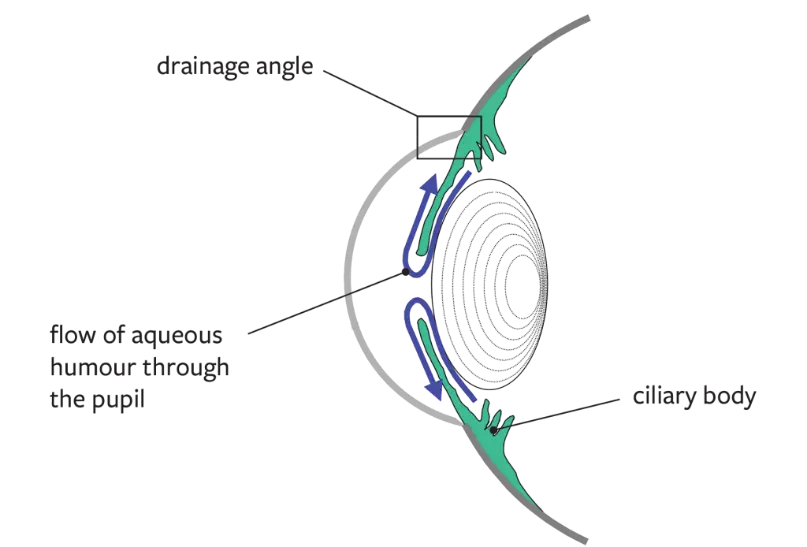
It usually happens when fluid builds up in the front part of your eye. This increases the pressure in your eye, damaging the However sometimes Nerve Damage happens with normal eye pressure

The optic nerve under pressureThe optic nerve under pressure
What are the common causes of Glaucoma?
Know More

Types & Symptoms.

Glaucoma comes in several forms. Painless tests can detect any of them — long before you'd notice symptoms yourself.

There are two major types of glaucoma.

Open Angle Glaucoma
Open Angle Glaucoma
  • This is the most common type of glaucoma.
  • It happens gradually, where the eye does not drain fluid as well as it should (like a clogged drain).
  • As a result, eye pressure builds and starts to damage the optic nerve.
This type of glaucoma is painless and causes no vision changes at first.
Closed Angle Glaucoma
  • This type happens when someone’s iris is very close to the drainage angle in their eye.
  • can end up blocking the drainage angle.
  • When the drainage angle gets completely blocked, eye pressure rises very quickly. This is called an acute attack.
It is a true eye emergency, and you should call your ophthalmologist right away or you might go blind.
Know More

What are the symptoms of Glaucoma?

Open-Angle Glaucoma Symptoms

Open-Angle Glaucoma Symptoms

  • No Symptoms in Early stage
  • Later, blind spots develop in your side vision.
Most people with open-angle glaucoma do not notice any change in their vision until the damage is quite severe. This is why glaucoma is called the "silent thief of sight"

Closed-Angle Glaucoma Symptoms

1Early Warning Signs

Most people show no symptoms before an attack, but some may experience:

  • Blurred or foggy vision
  • Seeing halos around lights
  • Mild headaches or eye pain
If you experience these, see an ophthalmologist as soon as possible.

2Signs of an Acute Attack (Medical Emergency)

Symptoms include:

  • Severe pain in the eye or forehead
  • Redness of the eye
  • Sudden blurry vision or sight loss
  • Seeing rainbows or halos around lights
  • Severe headache
  • Nausea and vomiting

What to Do During an Acute Attack?

An attack happens suddenly and requires immediate medical care.

  • STOP WHAT YOU DO IMMEDIATELY
  • DON'T WAIT FOR THE PAIN TO GO BY ITSELF
  • DON'T DRIVE YOURSELF
  • GO TO THE NEAREST HOSPITAL OR CLINIC
The Most Vulnerable

Who's at risk of Glaucoma?

Anyone can develop glaucoma, but some people are more likely to than others.
Above 40

Above 40

Glaucoma gets more likely as you get older Glaucoma is uncommon below the age of 40 years.

Short or long sight

Short or long sight

If you have extreme short sight, you may be at increased risk of developing open angle glaucoma.If you have long sight, you may be at increased risk of developing angle closure glaucoma.

Ethnicity

Ethnicity

Black African or Asian origin, up to four times more likely to develop primary open angle glaucoma (POAG)

Diabetic

Diabetic

If you have diabetes, you may be at increased risk of developing glaucoma.

Diabetics, should have both routine eye tests and diabetic eye screening
Family History

Family History

If you have a close blood relative (brother, sister, parent or child) with glaucoma, you are more likely to develop it yourself.

Diagnosed

How Glaucoma is Diagnosed?

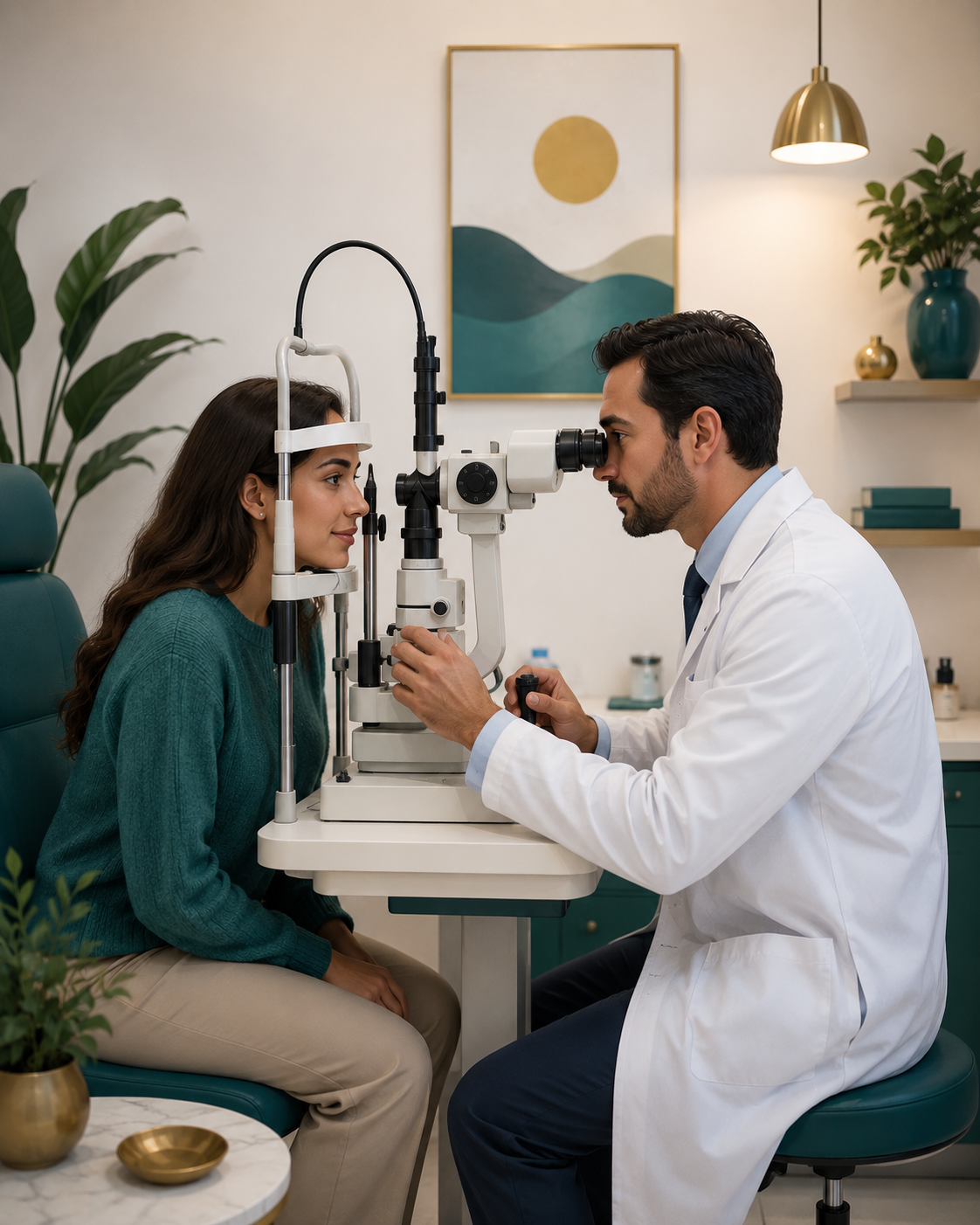
If you look at something straight ahead and keep your eye still, how far up, down, left and right can you see? Are there patches of vision loss?

This is called your visual field. If you have glaucoma, you'll have patches of vision loss, usually starting in your peripheral (off-centre) vision. You'll have to do several tests for glaucoma.

The ophthalmologist should tell you

  • If you have glaucoma
  • How much vision loss you have, if any
  • The form of glaucoma you have
  • A plan for treatment
How Glaucoma is Diagnosed?
Infographic

Infographic

5 THINGS TO KNOW ABOUT GLAUCOMA

InfographicInfographic · 1080×1350px · 4:5
  • Glaucoma can cause vision loss and blindness, which can't be reversed.
  • There are no early symptoms
  • Half the people who have glaucoma don't know they do
  • Some people are at higher risk than others
  • There is only one way to know if you have glaucoma.
  • Getting a comprehensive dilated eye exam.
Learn more about glaucoma
How It Develops

A silent progression.

Glaucoma usually develops gradually over years. Knowing the stages helps you and your doctor act early.

Healthy Drainage
1

Healthy Drainage

Aqueous humor flows freely, eye pressure stable.

Pressure Builds
2

Pressure Builds

Drainage slows. Pressure rises silently.

Nerve Damage
3

Nerve Damage

Optic nerve fibers begin to die.

Vision Loss
4

Vision Loss

Peripheral vision fades — often unnoticed.

Get Involved

Awareness events.

Join our live screenings, webinars and community talks — bilingual and free.

Featured · Live

World Glaucoma Awareness Webinar

Top specialists answer your questions on early detection, treatment options and living well with glaucoma. Live Q&A in English and Arabic.

22
April 20267:00 PM GMT
05May
Free Screening Day

On-site at partner clinics

18May
Patient Meet-up

Community gathering

02Jun
Treatment Webinar

Drops, lasers, surgery

15Jun
Caregivers' Workshop

Supporting loved ones

View all events →
Get Tested Now

Are you at risk?

A 2-minute confidential questionnaire helps you understand your personal risk profile and whether you should book a screening.

Start Free Risk Assessment →
Frequently Asked

Common questions.

Quick answers to the questions we hear most. Don't see yours? Get in touch — our specialists respond within 48 hours.

No, but it can be controlled. Early treatment stops progression and preserves vision for life in most cases.

Stay informed. Stay seeing.

Monthly updates on screenings, webinars and the latest in glaucoma care — bilingual, free, no spam.